 Tom Jackson
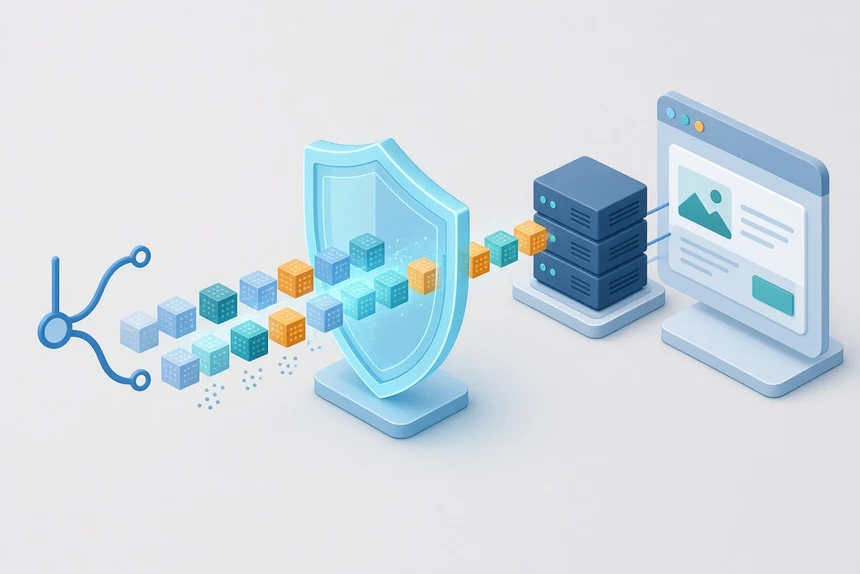
Vercel has put Vercel Security Review into public beta for Pro and Enterprise teams. According to the company's changelog, published November 3, 2026, once the feature is enabled every push to a connected GitHub repository is reviewed automatically for vulnerabilities, and findings are reported in a Vulnerabilities dashboard. See the Vercel changelog.
What Vercel Announced
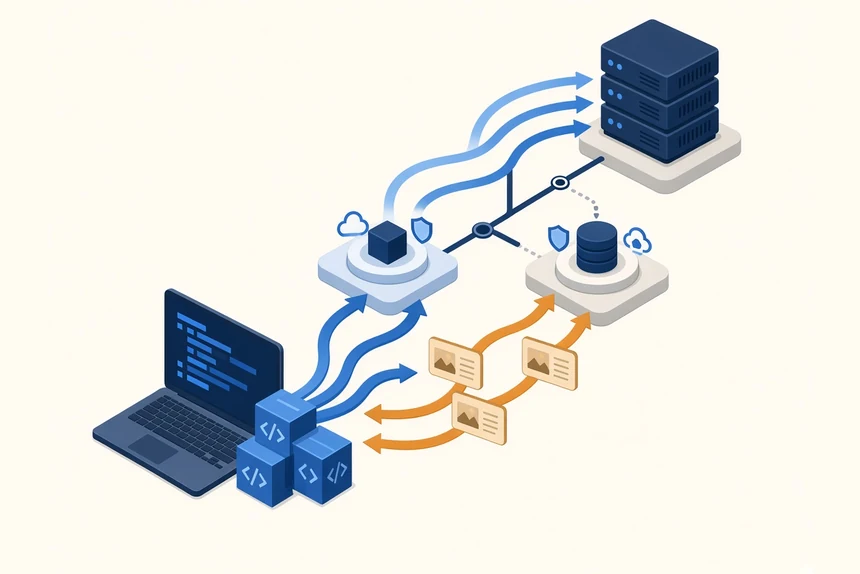
Reviews are triggered by GitHub push events rather than pull requests. Vercel says this means direct pushes and force pushes to a production branch are reviewed too, and every project affected by a single push is reviewed together.
According to Vercel, each finding records the project, environment, branch and commit. It also includes a summary, a suggested fix and an AI-generated severity rating. Security Review adds its own GitHub check to each commit it reviews. When there is a pull request, it posts findings as review comments that link back to each finding. On public repositories, finding details stay in the dashboard.
There are two ways to act on a finding:
- Fix with Vercel Agent. Vercel Agent proposes a fix and opens a pull request. Vercel says nothing merges until a person approves it.
- Use your own tools. Teams can pull findings with the
vercel security vulnerabilitiesCLI command (Vercel CLI 65.10.0 or later), or copy a finding as Markdown or JSON and hand it to their own coding agent.
Teams can also write security policies in plain language, at team or project level, to give the reviewer context about how they build.
Pricing And Limits
Vercel says security reviews are free until November 10, 2026. After that, Security Review is billed at the Vercel Agent rate: underlying model provider inference at cost, plus a Vercel Token Rate of $0.25 per million tokens. Because reviews run on every push, Vercel notes that cost scales with how often a team pushes and how much code changes. Fixes made with Vercel Agent are billed at the Agent rate during the free period as well.
Vercel is also explicit about what the product is not. It "isn't a security audit," it does not perform runtime or penetration testing, and it does not guarantee an application is free of vulnerabilities.
A Related Change To Account Security
Help Net Security reported in the same week that Vercel is also rolling out Device Bound Session Credentials (DBSC). DBSC ties a login session to the device it was created on, which limits the value of stolen session cookies (Help Net Security). According to that report, Vercel CTO Malte Ubl said DBSC is currently supported only by Chrome on Mac and Windows, and that Vercel is rolling it out gradually.
What It Means For Web Teams
The rest of this article is our analysis, not part of Vercel's announcement.
For teams that run headless or composable front ends on Vercel, the main shift is where the check happens. Security review moves into the same push-and-deploy loop that already builds previews, so it doesn't sit in a separate audit that runs weeks later. Scanning on push, not only on pull requests, closes a gap many teams know well: the urgent fix pushed straight to main.
The design also keeps a person in the loop, which matters as more website code is written by AI coding agents. Findings arrive as checks and comments, and automated fixes still land as pull requests that someone has to approve. That fits the review-before-release discipline we recommend for both code and content.
There are practical questions to settle before turning it on:
- Budget. Usage-based billing begins after November 10. Teams that push often should estimate the cost first, using a few days of real push volume.
- Ownership. Decide who triages AI-rated severities, and how findings feed your existing vulnerability process.
- Scope. Vercel describes this as source-code analysis. It does not replace dependency scanning, runtime protection or penetration testing, or the security of the CMS and APIs a front end depends on.
- Policy context. Plain-language policies are the main lever for reducing irrelevant findings, so write them down early.
The free period gives Pro and Enterprise teams a short window to see what Security Review finds in their own repositories before they decide whether it is worth the ongoing cost.